
What is a rebus?
Updated August 13, 2026 · 4 min read · by the Rebus Master team
A rebus is a puzzle that spells out a word or phrase using pictures, symbols, letters and their arrangement instead of plain writing. Reading one means saying what you see: an eye 👁 + a heart ❤ + the letter U reads “I love you”. Position, size, direction and repetition all carry meaning.
The name comes from the Latin non verbis, sed rebus — “not by words, but by things”. That is exactly what a rebus does: it swaps words for things and lets your brain sound out the result. It is one of the oldest word games we know of, and it still powers everything from children’s books to emoji riddles and modern puzzle apps. Today you’ll also hear rebuses called picture brain teasers or picture riddles — newer names for the same old trick.
How a rebus works
Almost every rebus leans on a handful of tricks. Once you can name them, you can read almost anything (our solving guide goes deeper on each):
- Pictures for sounds. A picture stands for its word — or just its sound. A bee can mean bee, be or the letter B.
- Position. Where things sit changes the reading: “stand” printed over “I” reads I understand; a man drawn over the word “board” reads man overboard.
- Size. A huge word can add big; a tiny one adds little or micro.
- Direction. A word written backwards or upside down often adds back, reverse or down.
- Counting. Three copies of “SECRET” with an arrow at the top one reads top secret.
- Letter math. Adding or crossing out letters builds new words: CAKE − C + L = LAKE.

A very short history of the rebus
Rebuses are older than alphabets. Egyptian hieroglyphs regularly used the rebus principle: a picture borrowed for its sound rather than its meaning, so a drawing could spell a name no picture existed for. Ancient coins played the same game — towns stamped pictures that punned on their names.
Medieval Europe put rebuses on shields. Canting arms in heraldry encoded a family’s name in pictures — a fine visual pun you could carry into battle. Later, rebuses became parlour entertainment: Lewis Carroll, author of Alice in Wonderland, famously wrote children letters partly in pictures. By the 20th century, rebuses had their own TV game shows, and today they live on in escape rooms, brain-training apps and the emoji riddles people trade in group chats.
Rebus, cryptogram, pictogram — what’s the difference?
- A pictogram shows what it means: a picture of a plane means plane (think airport signs).
- A rebus makes you sound out pictures and symbols to reach a different word or phrase — the picture is a riddle, not a label.
- A cryptogram hides text behind substituted letters, numbers or symbols — no pictures needed.
Modern puzzle games often blend these. In Rebus Master, each level shows an illustrated rebus, and you crack the phrase on a cryptogram-style letter grid — tiles that share a number hide the same letter. Two classic puzzle forms in one. All of them, rebus included, belong to the wider family of brain teasers — the rebus is simply its oldest picture-based member.
What is a rebus message?
A rebus message is regular writing with some words swapped for pictures — the way children’s early-reader books print a small picture of a dog instead of the word “dog”, or the way “I ❤ U” compresses a sentence into three symbols. It is the friendliest form of the rebus: the pictures help reading instead of hiding it. Every emoji-only riddle in a group chat is a rebus message at heart.
Try a few — with answers
Read the picture out loud, then reveal the answer.
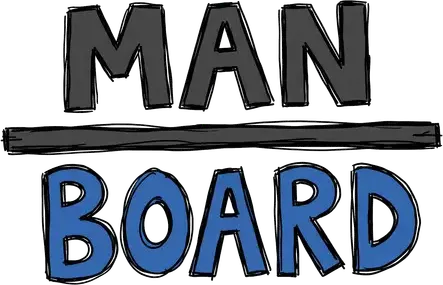

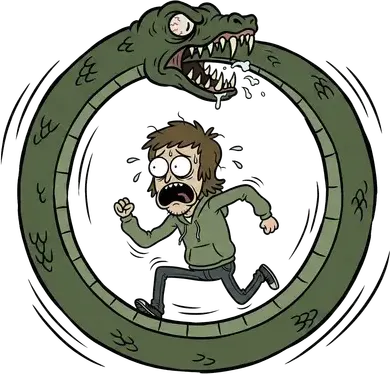
Warmed up? There are 40 more rebus puzzles with answers — or jump straight into today’s daily rebus. If figurative phrases are what trip you up, start with our idiom puzzles.
Up next How to solve rebus puzzles The 9 tricks that crack any rebus — with worked examples →Keep going
 Play the daily rebusOne free puzzle a day, right in your browser
 How to solve rebus puzzles9 practical tricks with worked examples
 Rebus puzzles with answers40 illustrated puzzles, easy to hard
 Idiom puzzlesLearn English idioms the fun way
 The history of the rebus5,000 years of picture puzzles — hieroglyphs to emoji
Solve one every day
A new illustrated rebus every day in your browser — and 1,300+ levels in the free app.
Free to play · no sign-up needed for the daily puzzle
About this guide: written by the Favo Games team, the studio behind Rebus Master. We’ve designed and illustrated 1,300+ rebus levels — these guides distill what we’ve learned making them. Illustrations are AI-assisted; every puzzle, hint and answer is written and checked by hand.